
By Lamara Garba, Kano
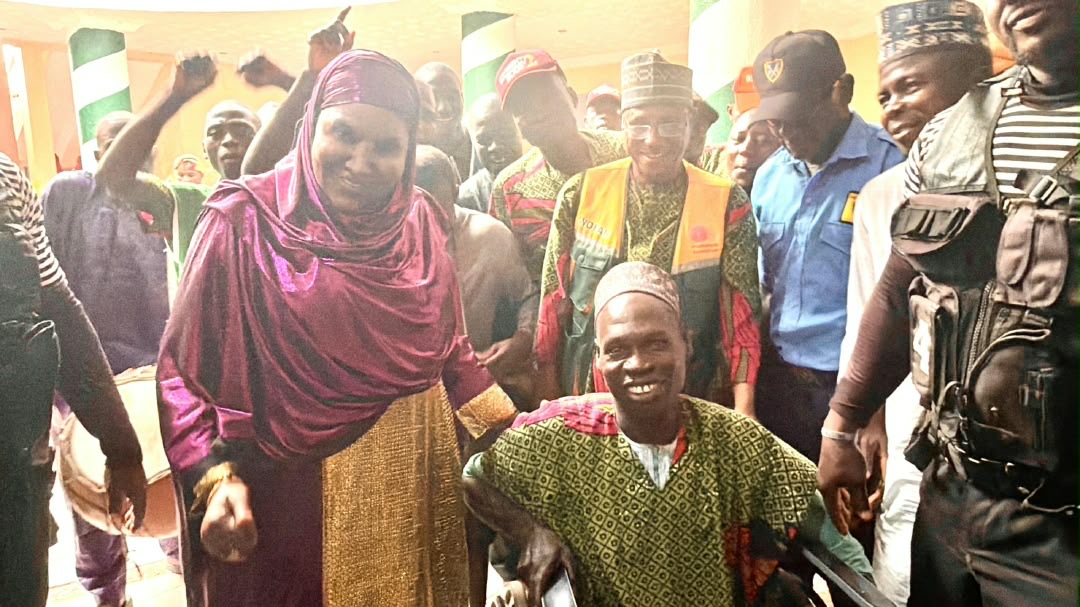
For 16 years, Rakiya Ibrahim watched her son, Zuladaini Attahir, struggle with the devastating consequences of a spinal cord injury that ended his livelihood and left him dependent on others for survival.
A former sand miner who once earned a living through physically demanding work, Zuladaini could no longer provide for himself after the injury. His two wives eventually left him, poverty deepened, and his home deteriorated.
His ageing mother became his primary caregiver and sole source of support. In desperate moments, Rakiya travelled to neighbouring villages to beg for food to sustain the family.
However, their prolonged hardship has begun to give way to renewed hope following an intervention by the Women Farmers Advancement Network (WOFAN), led by its founder, director and global advocate, Hajiya Dr Salamatu Garba.
The organisation provided practical assistance aimed at restoring Zuladaini’s dignity, improving his living conditions and creating opportunities for economic independence.
WOFAN Rebuilds Home, Provides Solar-Powered Livelihood Support
As part of the intervention, WOFAN rebuilt Zuladaini’s home, installed a solar power system to enable him to generate income through mobile phone charging services, and provided food assistance to ease the family’s immediate hardship.
The solar installation is expected to provide a foundation for a small business that could help reduce his dependence on others and create a more sustainable source of income.
The intervention also extended to the wider Warwade community in Birnin Kudu Local Government Area of Jigawa State.
WOFAN commissioned a borehole with more than six water collection points and connected the water supply directly to Zuladaini’s residence, improving access to water for the household and surrounding community.
The organisation also inaugurated five community groups comprising four women’s groups and one men’s group to promote participation in empowerment programmes focused on capacity building, financial inclusion and livelihood development.
Community Leaders, Associations Commend WOFAN
At the commissioning ceremony, Dr Garba was represented by the District Head of Aujara, Alhaji Aminu Dan Mallam.
The Chairman of the Persons with Disabilities Association in Birnin Kudu Local Government Area, Mallam Adamu Abdullahi, commended WOFAN for the intervention, recalling previous support that included 30 bags of fertiliser and farming equipment for association members.
Read Also: DPI Develops Policy Brief to Promote Inclusive Climate Action in Kano
Similarly, Sadiya Ibrahim, Chairperson of the Small-Scale Traders Association in Birnin Kudu, said WOFAN had previously provided rice and start-up capital that helped members establish businesses and improve their livelihoods.
Aminu Siraj, Chairman of the Logistics Operators and Tricycle Riders Association, also highlighted the impact of tricycles supplied through the organisation, explaining that the support had improved members’ livelihoods, with proceeds saved in their group account.
These accounts illustrate how humanitarian assistance, livelihood support and community infrastructure can complement one another in addressing economic hardship.
A Mother’s Burden Eases as Son Gains New Opportunity
Expressing gratitude for the intervention, Zuladaini thanked WOFAN, Dr Salamatu Garba, those who brought his circumstances to public attention, and the traditional leaders and community members who supported him.
His mother also expressed appreciation, praying for blessings and reward for those whose intervention had eased the burden she had carried for years.
For Rakiya, the rebuilt home represents more than improved shelter. The food assistance provides immediate relief, while the solar-powered phone-charging business offers the possibility of her son earning an income despite his physical limitations.
After years of providing almost everything her son needed, the prospect of him generating an income could gradually reduce the pressure on her as she grows older.
Their experience underscores the challenges faced by persons with disabilities, particularly those who lack reliable income, adequate housing and consistent access to social support.
It also draws attention to the often-overlooked responsibilities shouldered by elderly parents and family members who care for people living with significant disabilities.
Sustaining Support Beyond the Initial Intervention
Although the intervention offers immediate relief and opportunities for improved livelihoods, sustaining its impact will depend on continued community participation, effective management of the facilities and the viability of the income-generating activities.
Government institutions have a central responsibility to protect vulnerable citizens and ensure that persons with disabilities can access appropriate social protection, healthcare and economic opportunities.
Read Also: Forum Trains PWDs on Disability-Inclusive Climate Action in Kano
Organisations such as WOFAN can complement these efforts through targeted assistance, community mobilisation and programmes that help vulnerable households build greater resilience.
The solar installation, borehole and newly established community groups provide a foundation for continued support in Warwade, with the potential to benefit Zuladaini’s household and other community members.
For a man whose injury disrupted his livelihood, an ageing mother who has spent years struggling to care for him, and a community seeking improved living conditions, the intervention represents an opportunity to rebuild their lives with renewed confidence.
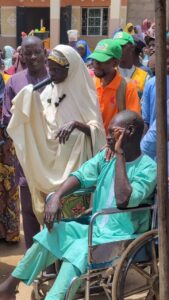
In Warwade, WOFAN’s intervention demonstrates how practical assistance can help restore dignity and open pathways to greater independence.
Ultimately, the lasting value of such support will be measured not only by the facilities provided but also by the extent to which they enable vulnerable people to improve their living conditions, earn a livelihood and participate more fully in their communities.