
By Mustapha Salisu, Kano
The International Society of Media in Public Health (ISMPH) in collaboration with the EngenderHealth Consortium Partnership, has trained selected journalists in Kano on evidence-based reporting to strengthen accountability in the state’s Primary Health Care (PHC) system.
Equally in collaboration with the Kano State Ministry of Health and the Kano Health Journalists Network (KAHJON), the two-day media engagement workshop, titled “Amplify and Frame Narratives on PHC Accountability Scorecards Using Evidence-Based Insights from ISS and PHC-FAT Findings,” brought together journalists, health sector stakeholders and development partners and was held between 5 and 6th August in Kano State.
The workshop was a follow-up to a State Roundtable Dialogue recently held in Kano, which focused on evidence-based health reporting and the need to strengthen accountability within the PHC system.
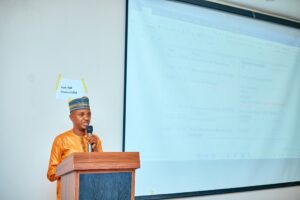
Delivering the welcome remarks on behalf of the ISMPH Executive Director, Chief (Mrs.) Moji Makanjuola, the organisation’s Programmes/MEAL Manager, Mr. Philip Muoneke, said the roundtable had emphasized the importance of reliable data and accurate media reporting in improving health outcomes.
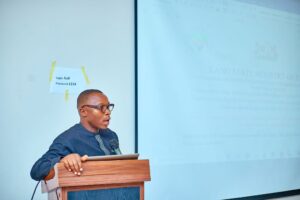
“Improving health outcomes requires not only reliable data but also a media that can accurately interpret, contextualize and communicate that data to the public,” he said.
Muoneke said the workshop focused on practical learning, including PHC Accountability Scorecards, Integrated Supportive Supervision (ISS) findings, PHC Facility Assessment Tool (PHC-FAT) results and health financing information.
Read Also: ISMPH Champions Data-Driven Health Journalism in Kano
He said the training also explored how journalists could transform such evidence into compelling, balanced and solutions-oriented stories that inform citizens, encourage transparency and strengthen accountability.
Muoneke emphasised that, journalists could contribute to better governance and improved health outcomes by asking informed questions, verifying facts and presenting accurate evidence due to their vital role in shaping public discourse.
He expressed optimism that the knowledge and skills gained from the workshop would translate into stories that not only informed the public but also inspired positive action and strengthened confidence in the health system.
Also speaking, Chairperson of the Kano Health Journalists Network (KAHJON), Comrade Hauwa Zahradeen, represented by the network’s Vice Chairman, Comrade Mustapha Adamu, described the workshop as timely with a pledge by the network to uphold promoting ethical and evidence-driven health reporting.