
By Maryam Shuaibu
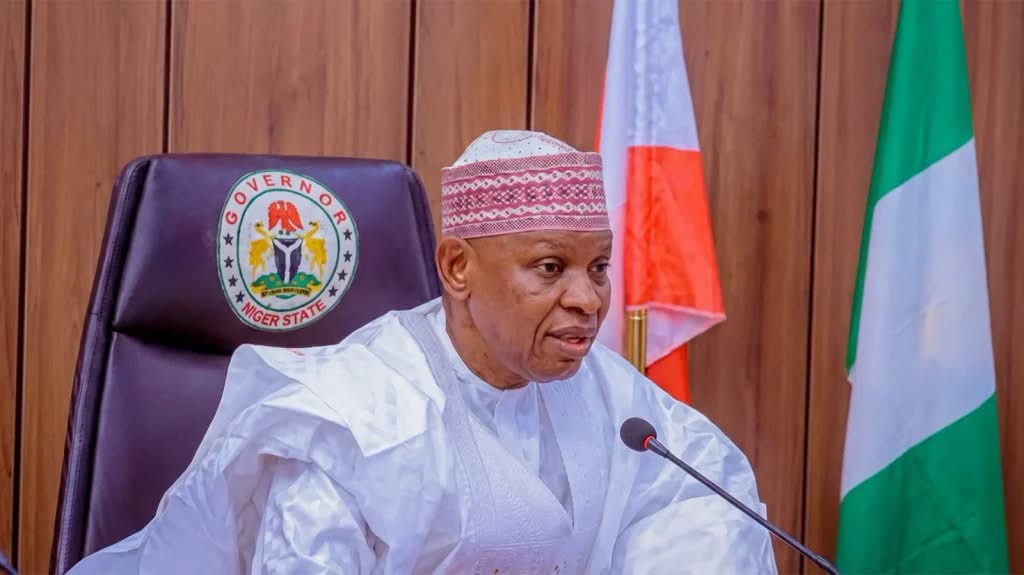
Kano State Governor Abba Kabir Yusuf has defended his administration’s ongoing land allocation programme, saying the initiative is designed to reduce the state’s housing deficit, expand property ownership and create long-term economic opportunities for residents.
The governor’s remarks come days after criticism greeted his administration’s decision to allocate 1,540 residential plots and ₦100 million to leaders of the All Progressives Congress (APC) Polling Unit Supporters Association, popularly known as Yan’akwati. Critics described the gesture as politically motivated and linked it to preparations for the 2027 general elections.
Speaking during the presentation of title documents to Senior Special Assistants, Senior Special Reporters, Special Assistants, Special Reporters and Personal Assistants at the Government House, Kano, on Saturday, Yusuf insisted that the programme was driven by development objectives rather than politics.
In a statement issued on Sunday by his Chief Press Secretary, Mustapha Muhammad, the governor said land ownership remains one of the most effective ways to address housing shortages and improve household wealth.
“Receiving an allocation of a plot of land in a government layout is not an ordinary achievement,” the statement quoted the governor as saying.
“This programme is not simply about allocating plots of land. It is about reducing the housing deficit, empowering our people through property ownership, creating wealth for families and providing young people, women and vulnerable groups with a solid foundation on which they can build a better future.”
The governor, who was represented by the Secretary to the State Government, Umar Ibrahim, said the administration was fulfilling commitments made to its supporters and public servants.
He urged beneficiaries to see themselves as ambassadors of the administration by educating residents on government policies and development projects across the state.
Scheme draws criticism amid political debate
The latest distribution follows public debate over the government’s land allocation policy after the administration approved 1,540 plots for members of the APC-affiliated Yan’akwati group despite the ruling New Nigeria People’s Party (NNPP) being the party in government.
The decision attracted criticism from some residents and political observers, who questioned the timing of the allocations and described them as an attempt to build political support ahead of the 2027 elections. The state government has consistently maintained that the allocations form part of broader efforts to improve access to land and housing.
Speaking at Saturday’s event, the Commissioner for Land and Physical Planning, Abduljabar Umar, said the Yusuf administration had allocated more plots than previous administrations led by former governors Rabiu Musa Kwankwaso and Abdullahi Umar Ganduje.
He advised beneficiaries not to dispose of the plots but to retain and develop them, describing land as a valuable long-term asset.
Some beneficiaries, speaking on behalf of others, expressed appreciation to the governor and pledged continued support for his administration.
Like many rapidly growing cities in Nigeria, Kano faces rising housing demand driven by population growth, urbanisation and limited access to affordable land and housing. Successive administrations have introduced land allocation schemes to expand home ownership and encourage private housing development.
However, such programmes have often generated controversy, particularly when allocations are perceived as favouring political office holders, party loyalists or government appointees. Transparency in land administration remains a recurring issue in several states, with civil society organisations frequently calling for clearer allocation criteria and stronger public oversight.