
By Maryam Shuaibu
The Federal Government has announced plans to establish dedicated safe spaces in all 774 local government areas across Nigeria to strengthen protection and support services for survivors of gender-based violence (GBV).
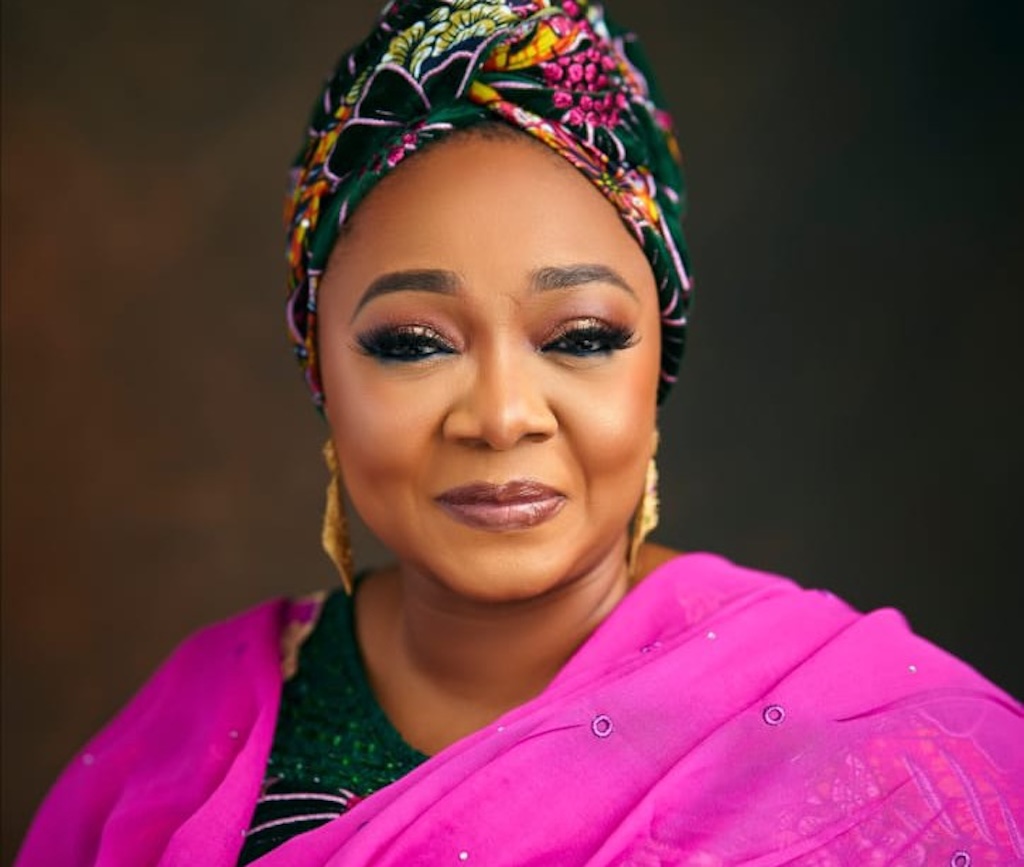
The Minister of Women Affairs and Social Development, Imaan Sulaiman-Ibrahim, disclosed this on Wednesday during the signing of a Memorandum of Understanding (MoU) between the ministry and the National Primary Health Care Development Agency in Abuja.
The agreement, signed in partnership with the New Era Foundation, seeks to improve protection, rehabilitation and support services for survivors of gender-based violence nationwide.
According to the minister, the initiative forms part of the National Action Plan on GBV currently being developed by the government.
She said the proposed safe spaces would bring immediate care, protection and referral services closer to survivors in their communities.
“A core component of the national action plan is the establishment of dedicated safe spaces across all 774 local government areas to decentralise immediate care and protection,” she said.
Regional protection centres planned
The minister also revealed plans to establish regional mega-protection centres across the country.
She explained that the centres would provide medical, legal, psychosocial and rehabilitation services under one roof.
According to her, the goal is to ensure survivors receive comprehensive support while pursuing recovery and justice.
The minister added that the government would deploy mobile support teams under the Women on Wheels initiative.
She said the programme would deliver trauma-informed care, psychosocial support and other essential services to women and girls in underserved communities.
Rising GBV cases raise concern
The minister expressed concern over the increasing number of gender-based violence cases reported across Nigeria.
She disclosed that 2,755 cases of gender-based violence and intimate partner violence were recorded between January and April 2026.
According to her, the figure represents an average of about 23 reported cases every day during the period.
She further noted that only four per cent of formally reported cases resulted in successful prosecution.
“This clearly highlights the need for stronger protection and accountability mechanisms,” she said.
The minister added that women and girls accounted for more than 81 per cent of documented survivors, while sexual violence made up 82 per cent of reported cases.
“This is a wake-up call. We must move beyond prevention to protection, rehabilitation and access to justice for survivors,” she said.
Partnership to support survivors
The Chief Executive Officer of NPHCDA, Muyi Aina, described gender-based violence as a major public health and human rights challenge.
He said survivors often suffer physical injuries, emotional trauma and long-term social consequences.
According to him, the partnership will provide survivors with healthcare services, counselling, legal assistance, rehabilitation and empowerment opportunities.
“This collaboration demonstrates the importance of integrating health, social welfare and community support systems in addressing GBV,” he said.
Also speaking, Patricia Otuedon-Arawore said the foundation’s Patients’ Home in Ibeju-Lekki, Lagos State, would serve as a rehabilitation centre for survivors.
She explained that the facility, originally created to support vulnerable women, is being transformed into a safe recovery space for survivors of domestic and gender-based violence.
“The facility is now being repositioned to offer safety, recovery and hope to survivors,” she said.
Earlier, the Permanent Secretary of the Federal Ministry of Women Affairs, Esuabana Nko-Asanye, said the partnership reflects a shared commitment to protecting vulnerable women and girls.
She stressed that collaboration among government agencies, development partners and civil society organisations remains essential to addressing gender-based violence across the country.
Stakeholders at the event pledged to strengthen access to protection, rehabilitation and justice services for survivors nationwide.