
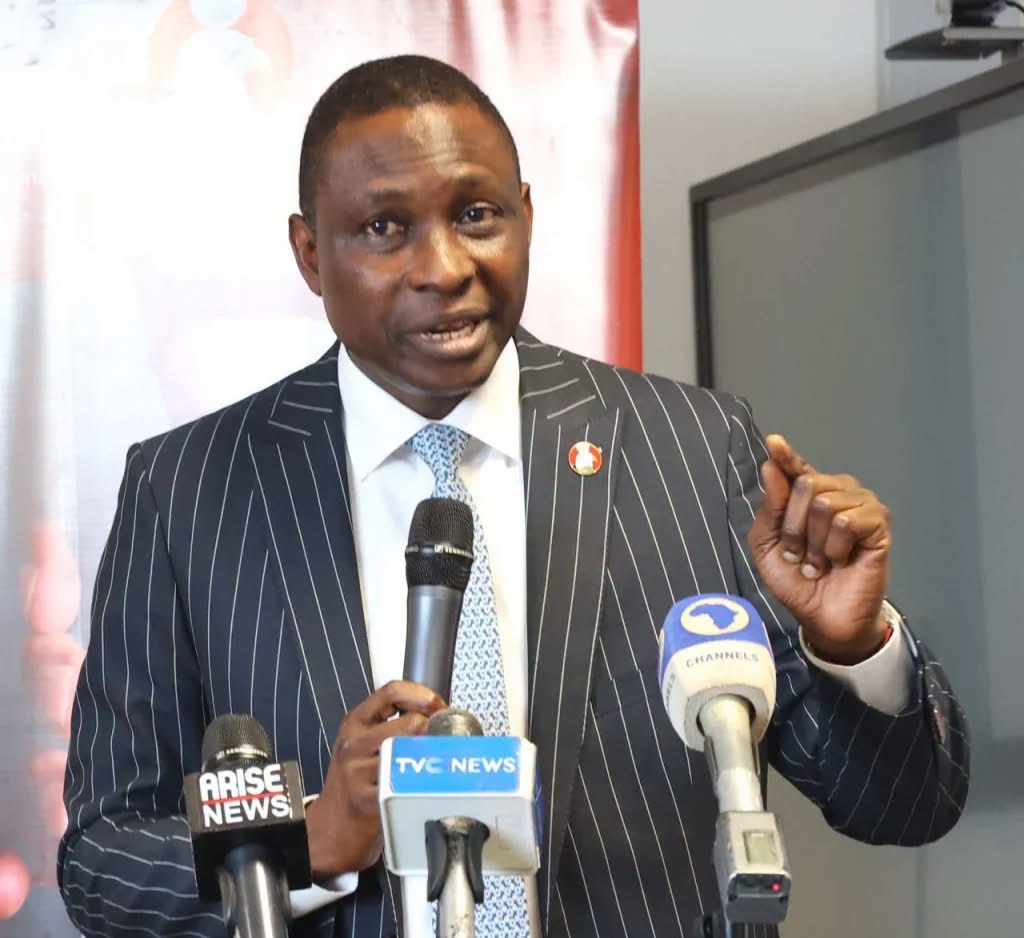
By Maryam Shuaibu
The Chairman of the Economic and Financial Crimes Commission (EFCC), Ola Olukoyede, has identified contract fraud as the most widespread form of corruption in Nigeria’s public sector, warning newly appointed public officials against exploiting procurement processes for personal enrichment.
Speaking on Thursday at a two-day induction programme for the leadership of the South-South Development Commission (SSDC) in Abuja, Mr Olukoyede said corruption in public institutions continues to divert billions of naira meant for infrastructure and essential public services.
The induction programme was organised by the Bureau of Public Service Reforms for the commission’s chief executive officer, governing board chairman and board members.
Delivering a lecture titled “The Role of the Economic and Financial Crimes Commission in Improving Accountability in the Public Service,” the EFCC chairman urged the officials to see public office as a responsibility to protect national resources rather than an opportunity for personal gain.
“By far the most common form of corruption within the public service space is contract fraud, where those who lead government establishments set out to enrich themselves by rigging the procurement process,” he said.
According to him, accountability demands that public resources be managed ethically, efficiently and solely in the public interest.
Olukoyede said contract fraud often manifests through contract splitting to evade approval thresholds, bid manipulation, the award of contracts to unqualified firms, inflated contract values and payments for abandoned or poorly executed projects.
He added that corruption within the public service also takes the form of embezzlement, diversion of public funds, bribery, kickbacks, payroll fraud, pension fraud and duty tour allowance fraud.
“Annual losses to corruption in Nigeria’s public service run into billions of naira as resources meant for the provision of physical infrastructure and social services are often converted to private use by public servants,” he said.
The EFCC chairman also acknowledged that the anti-graft agency faces several challenges, including limited manpower and resources, delays in prosecuting high-profile cases, inadequate public support and persistent allegations of selective enforcement.
Warning to new public officials
Addressing members of the newly established South-South Development Commission, Olukoyede cautioned them against treating their appointments as an opportunity to benefit from public funds.
“I imagine that many of you have been told this is an opportunity to grab a slice of the national cake. Please tread with caution. Public service is not an invitation to loot the treasury,” he said.
He advised the officials to familiarise themselves with the Public Procurement Act, Financial Regulations and the Public Service Rules, stressing that ignorance of the law would not excuse misconduct.
The EFCC chairman also warned them against bidding for contracts awarded by the commission, either directly or through proxies, operating foreign bank accounts in violation of public service regulations or engaging in businesses that conflict with their official responsibilities.
He further urged the officials to maintain proper financial records and exercise caution when approving official documents.
“Before you sign any document, study it carefully. Your signature is your name and your integrity. Guard it,” he said.
Public procurement has remained one of the most corruption-prone areas of governance in Nigeria, with several investigations by anti-corruption agencies uncovering cases involving inflated contracts, abandoned projects, procurement manipulation and the diversion of public funds.
The EFCC, established in 2003, is Nigeria’s leading anti-graft agency responsible for investigating and prosecuting economic and financial crimes, recovering proceeds of crime and promoting transparency and accountability in public institutions.