By Mustapha Salisu
ChildSphere Development Initiative (CDI) in partnership with Bridge Connect Africa Initiative has premiered a documentary highlighting efforts to address the challenges faced by street-connected children and create alternative pathways through skills development and community-based interventions.
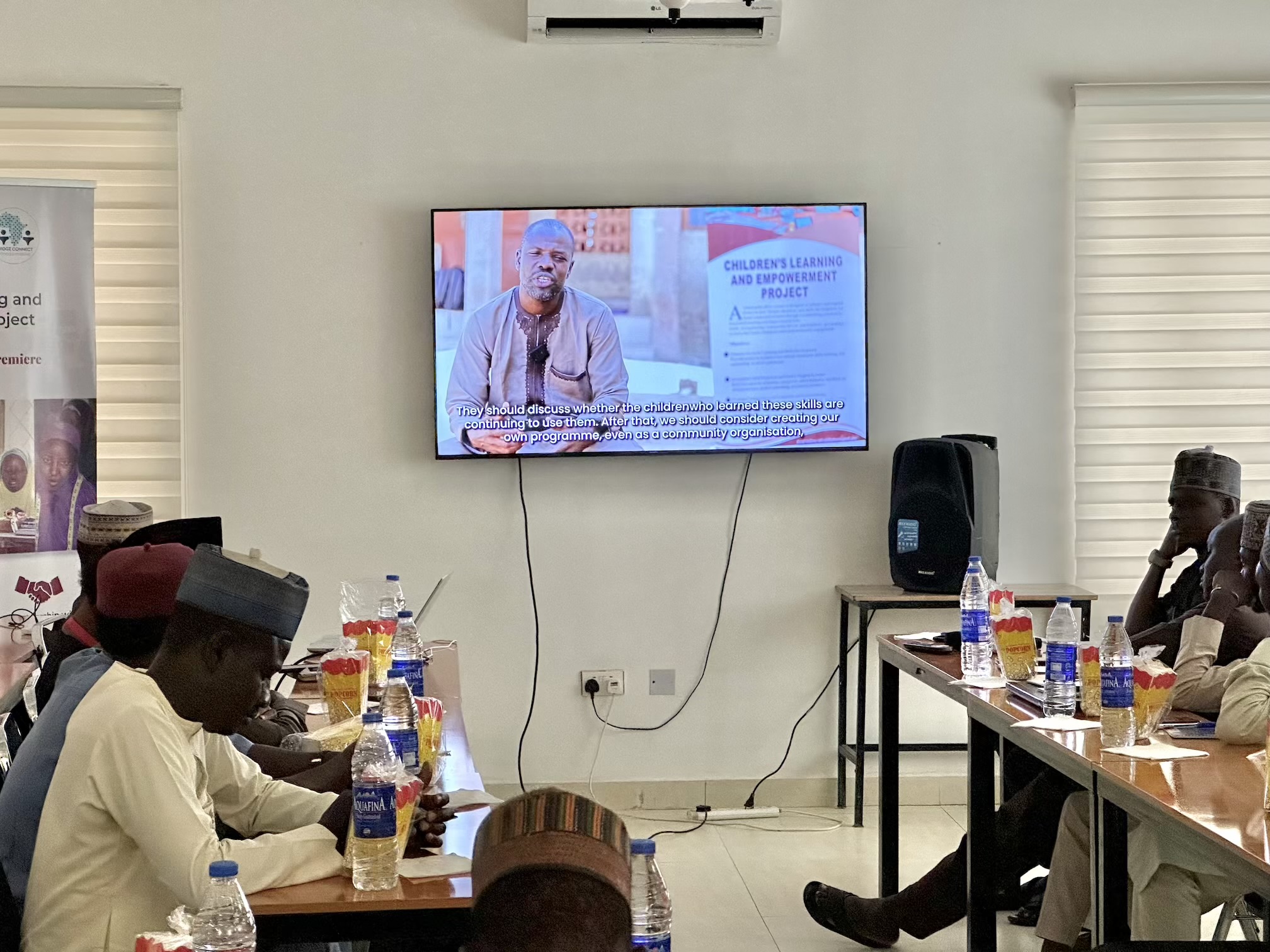
The documentary, produced under the Children’s Learning and Empowerment Project (CLEP II), captures the experiences of children, their families, trainers, community leaders and other stakeholders involved in the project.
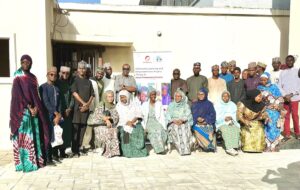
The premiere, held on Sunday at the Bridge Connect office in Kano, brought together civil society organisations, government representatives, development partners, community stakeholders, education practitioners and members of the media to reflect on the experiences and outcomes of the project.
Speaking during the premiere CDI’s Executive Director, Muhammad Usman shared that, CLEP II was designed in response to barriers that keep children in street begging and hawking, providing them with alternative pathways through structured non-formal vocational skills training.
Adding that the initiative also worked with community-based structures and local stakeholders to strengthen community-driven child protection mechanisms and promote locally rooted approaches to creating safer and more meaningful pathways for vulnerable children.
He stressed that the documentary was not merely an opportunity to discuss street-connected children but also a reflection of the organisation’s approach to addressing the challenges affecting them.
Read Also: ChildSphere Equips Street-Connected Children With Vocational Skills in Kano
Usman further said that the engagement provided an opportunity for stakeholders, particularly civil society organisations, to share their perspectives on how interventions could be strengthened, adding that contributions made during the event would be incorporated into the organisation’s future programming.
“We are not just here to watch a documentary and talk about street-connected children. We are also looking forward to seeing how we can find out what our other stakeholders feel, especially civil society organisations,” Usman said.
He stressed the importance of partnerships among civil society organisations in addressing the challenges affecting street-connected children, noting that sustainable solutions require the active participation and ownership of communities.
Usman said CDI was working with community structures to establish community-based dialogue centres, through which residents could come together, provide advice and take ownership of efforts aimed at addressing issues affecting children.
He added that the approach was intended to ensure that the organisation did not simply train children and leave them without continued community support.
“We are not just training children and leaving them, but rather, we are very intentional about the issue of community ownership,” he said.
The Executive Director also said the contributions and observations from stakeholders at the documentary premiere would help shape future interventions aimed at improving child protection, education, skills development and pathways out of street-connectedness.