
By Maryam Shuaibu
Nigeria’s headline inflation rate increased to 15.93 per cent in May 2026, marking the third consecutive monthly rise this year despite signs of easing price pressures on a month-to-month basis.
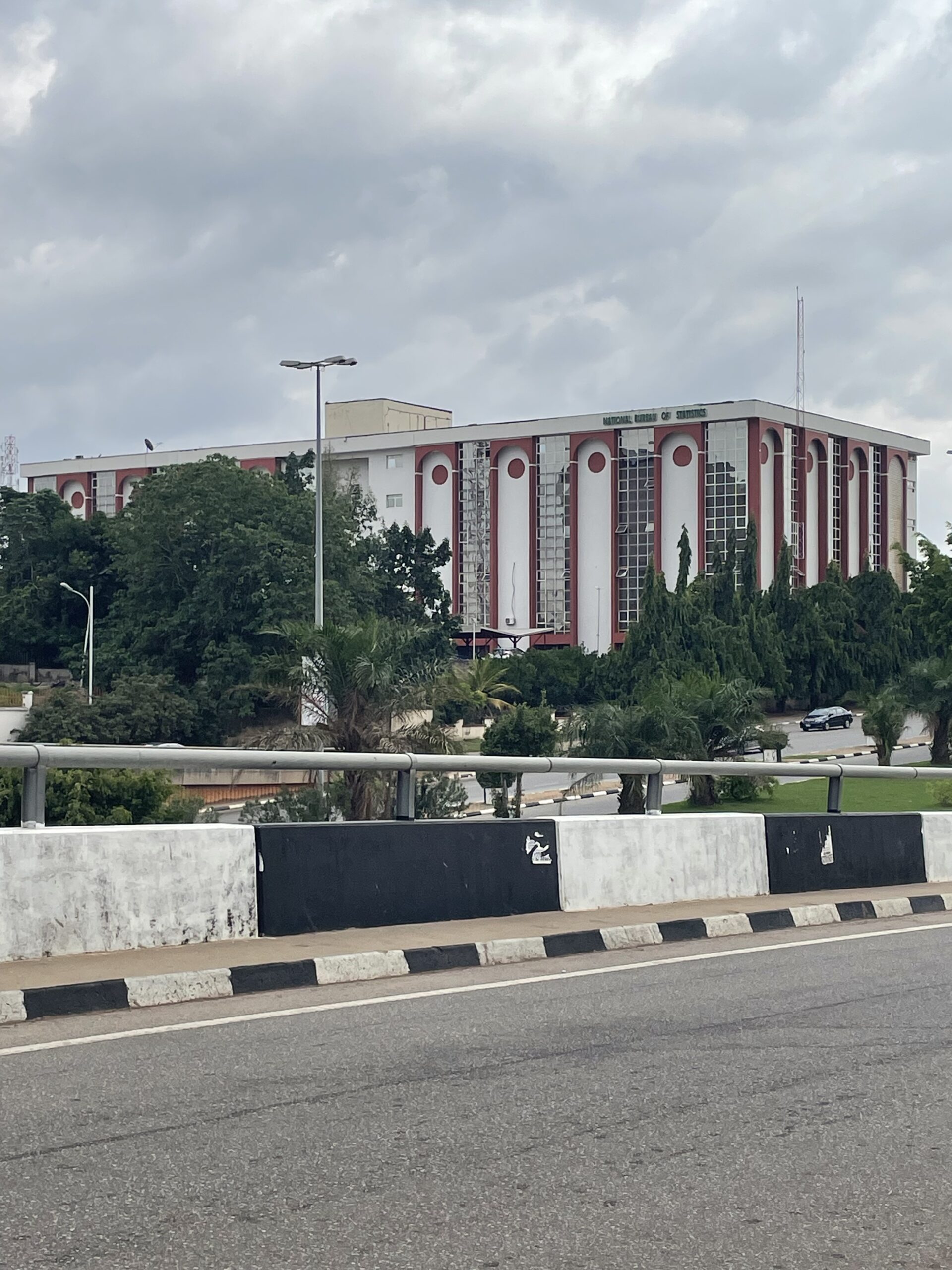
The latest figures, released on Monday by the National Bureau of Statistics (NBS) in its Consumer Price Index (CPI) report, show that inflation rose from 15.69 per cent recorded in April.
Although the rate remains significantly lower than the 26.06 per cent recorded in May 2025, the continued increase suggests that households are still grappling with rising living costs across the country.
According to the NBS, the headline inflation rate increased by 0.24 percentage points compared to the previous month.
However, on a month-on-month basis, inflation slowed to 1.75 per cent in May from 2.13 per cent in April, indicating that while prices continued to rise, they did so at a slower pace than in the preceding month.
“This means that in May 2026, the rate of increase in the average price level was lower than the rate of increase in the average price level in April 2026,” the bureau stated.
Food inflation edges higher
Food prices, which remain one of the biggest concerns for Nigerian households, also recorded an increase during the period.
The NBS reported that food inflation rose to 16.96 per cent in May, up from 16.68 per cent in April.
Despite the increase, the figure was lower than the 24.55 per cent recorded in May last year.
On a month-on-month basis, food inflation stood at 2.98 per cent, compared to 3.63 per cent in April, reflecting a slower pace of increase in food prices.
The bureau attributed the rise largely to changes in the prices of staple food items including fresh onions, maize, melon (egusi), water yam, cassava flour, crayfish, fresh pepper, tomatoes, wheat grain, cassava tubers, yam tubers, sweet potatoes, ginger, plantain and cowpea.
States with highest food inflation
A breakdown of the data showed significant variations across states.
On a year-on-year basis, Adamawa recorded the highest food inflation rate at 29.62 per cent, followed by Kwara at 28.47 per cent and Rivers at 28.40 per cent.
In contrast, Borno recorded a negative food inflation rate of -6.53 per cent, while Taraba and Bayelsa posted relatively low rates of 1.13 per cent and 5.99 per cent respectively.
On a month-on-month basis, Bauchi recorded the highest food inflation rate at 7.73 per cent, followed by Ogun at 6.86 per cent and Jigawa at 6.69 per cent.
Meanwhile, Niger recorded the slowest increase at 3.54 per cent, while Katsina and Gombe posted declines of -3.48 per cent and -2.22 per cent respectively.
The latest figures highlight the mixed picture of Nigeria’s inflation landscape, where overall inflation remains lower than a year ago but continues to climb steadily in recent months, driven largely by food prices that remain a major burden on household spending.