
By Maryam Shuaibu
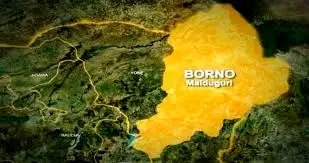
A cholera outbreak has killed 37 people and infected more than 3,000 others across seven local government areas of Borno State since the beginning of May, according to state health authorities.
The Executive Secretary of the Borno State Contributory Healthcare Management Agency, Saleh Abba-Kaza, raised the alarm on Saturday in Maiduguri, warning residents to take urgent preventive measures as cases continue to rise.
Read Also:Clean Water for All: Give Africa Urges Action Beyond Access to Build Sustainable Futures
Mr Abba-Kaza said the outbreak was first reported on 1 May and confirmed on 4 May after health officials recorded a sharp increase in infections.
More than 100 new cases were reported within the last 24 hours, he said, with Maiduguri Metropolitan Council (MMC) emerging as the epicentre of the outbreak after recording over 2,000 cases.
Jere Local Government Area has reported more than 1,000 infections, while cases have also been recorded in Mafa, Konduga, Monguno, Ngala and Magumeri local government areas.
According to the health official, the disease has spread across 36 wards and more than 138 communities, placing additional pressure on healthcare facilities in the state.
He attributed the outbreak to poor water, sanitation and hygiene conditions, including contamination of water sources and the continued practice of open defecation in some communities.
“With the rainy season already underway, waste materials and human excreta may be washed into residential areas, increasing the risk of transmission,” Mr Abba-Kaza said.
Read Also:CHR Urges Collective Action for Nigerian Children’s Health, Well-being
He urged residents to treat drinking water, maintain proper sanitation, dispose of waste safely and wash their hands regularly with soap, especially before meals and after using the toilet.
The official also advised residents experiencing symptoms such as vomiting and watery diarrhoea to seek immediate medical attention rather than resort to self-medication or treatment by unqualified persons.
“Prompt medical attention can save lives. Suspected cases should be reported immediately, and affected persons evacuated to designated treatment centres,” he said.
Mr Abba-Kaza said the state government was working to secure cholera vaccines but stressed that vaccination alone would not stop the outbreak without strict adherence to proper hygiene and sanitation practices.
He commended the response efforts of the Borno State Ministry of Health and development partners, including the World Health Organization (WHO), UNICEF, Médecins Sans Frontières (MSF), Save the Children and the Rural Water Supply and Sanitation Agency (RUWASSA).
As infections continue to spread, health authorities are calling on community leaders, development partners and residents to intensify awareness campaigns and support ongoing efforts to contain the outbreak.
The latest figures highlight the growing public health challenge facing Borno, where health officials say improved sanitation, access to clean water and early treatment remain critical to preventing further deaths.