
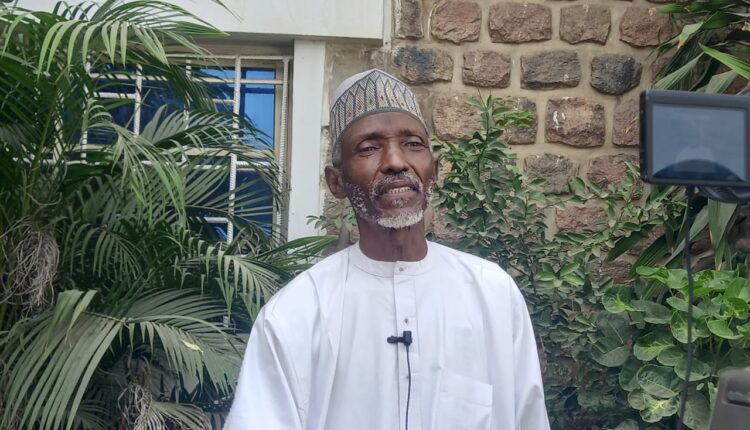
A professor of Entrepreneurship at the Dangote Business School, Bayero University Kano, and also consultant to Kano Women Economic Empowerment Programme, Professor Bala Ado Kofar Mata, has said the Kano State Women’s Economic Empowerment (WEE) Policy is distinctly designed to promote gender equity – an approach he noted is more consistent with Islamic principles than the gender equality model adopted at the national level.
Speaking in an exclusive interview with Solacebase on Thursday, Prof. Kofar Mata explained that while the national WEE Policy advocates for gender equality, Kano deliberately chose the path of gender equity to ensure the policy aligns with both Sharia and the cultural realities of the state.
He stated that in Islam, men and women are equal before Allah, but the application of roles and responsibilities is guided by equity rather than uniformity.
Read Also: FIDAC Condemns Alleged Unlawful Arrest of Former Kano Anti-Corruption Boss
“In Kano, our position is that men and women are equal before the Almighty Allah. However, Sharia emphasises gender equity, not Western-style gender equality,” he said. “This understanding shaped the way the state domesticated the WEE Policy.”
Prof. Kofar Mata noted that Kano’s version of the WEE Policy goes beyond simply adapting the national document. It includes additional components that reflect unique cultural and social issues within the state.
He cited examples such as addressing concerns around the Kannywood industry-its influence, its challenges, and its impact on women-which are not captured in the national policy but have long been subjects of debate among Islamic scholars.
“The policy recognises issues peculiar to Kano and provides guidance on how to manage them while promoting women’s participation in the economy,” he said.
SolaceBase reports that Women’s Economic Empowerment (WEE) Policy is a strategic framework developed to guide government actions, programmes, and investments that support women’s participation in the economy. It provides clear guidelines for improving women’s access to finance, skills, markets, employment opportunities, and business growth.
Read Also: Kano Records 42,000 HIV Patients as KSACA Raises Alarm Over Low Testing Rates
The policy outlines measures to remove barriers that limit women’s productivity, including cultural constraints, inadequate funding, limited training, and restricted access to resources. It is designed to help states create systems that enable women to contribute meaningfully to economic development while also enhancing household welfare and community prosperity.
The professor stressed that the WEE Policy remains a comprehensive roadmap aimed at improving women’s economic participation across key sectors, including agriculture, entrepreneurship, traditional crafts, and skills acquisition.
According to him, this approach does not contradict Islamic principles but rather strengthens them by acknowledging women’s contribution to economic growth while safeguarding moral and cultural values.
“Kano women are already very entrepreneurial. Many are involved in trading, food processing, textile work and even manufacturing, such as local pharmaceuticals,” he noted. “This policy seeks to provide them with resources that will help them expand their businesses, create jobs, and improve the welfare of families.”
Read Also:Kano Ministry of Environment Appoints 24 Casual Forest Guards to Strengthen Shelterbelt Protection
Prof. Kofar Mata added that by adopting an equity-based model, Kano aims to build a framework that empowers women without compromising religious and cultural standards.
“The goal is not to erase differences between men and women,” he said. “The goal is to provide fairness, support, and opportunities in a way that aligns with our values.”
He urged women in the state to embrace entrepreneurship and take advantage of the support structures the policy will provide, emphasising that greater participation of women in the economy will enhance the overall development of Kano and Nigeria.