
By Maryam Shuaibu
Nigerian civil society organisations have urged the Federal Government to support a proposed United Nations resolution seeking to establish an International Day for the Elimination of Child, Early and Forced Marriage.
The groups made the call on Friday ahead of the consideration of draft resolution A/80/L.99 by the United Nations General Assembly on Friday, saying Nigeria’s position could reinforce its commitment to protecting children and ending child marriage.
The resolution seeks to create a dedicated international observance aimed at sustaining global attention and coordinated action against child, early and forced marriage.
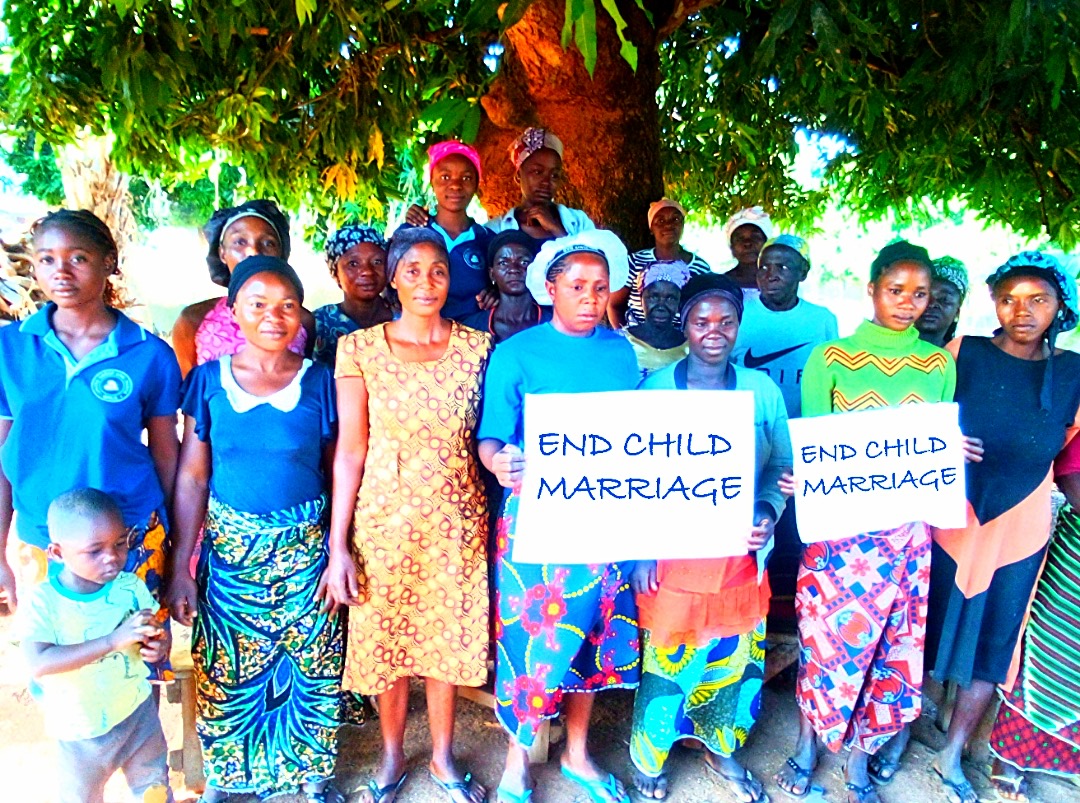
In a statement signed by Obi Onyeigwe of Youths for Peacebuilding & Development in Africa (YOUPEDA), said child marriage remains a major human rights, education, health and development concern, particularly for girls in vulnerable communities.
They urged the Federal Government, through the Ministry of Foreign Affairs and Nigeria’s Permanent Mission to the United Nations in New York, to support the resolution and vote in favour of it.
The groups cited UNICEF data estimating that about 12 million girls are married before the age of 18 every year globally.
They said Nigeria remains one of the countries with the highest burden of child marriage, with more than 22 million women and girls estimated to have been married before adulthood.
The prevalence is particularly high in northern Nigeria, where poverty, insecurity, limited access to education and deeply rooted social norms continue to influence the practice.
States including Jigawa, Zamfara, Sokoto and Katsina have some of the highest prevalence rates in the country, according to national and international demographic data.
The organisations said child marriage often has consequences that extend beyond the marriage itself, including disruption of education, early pregnancy, exposure to violence, economic dependence and poorer long-term health and livelihood outcomes.
They noted that Nigeria has taken steps to address the practice, including the enactment of the Child Rights Act and the development of a national strategy aimed at ending child marriage.
However, they argued that continued action was necessary to translate these commitments into measurable improvements for girls and children across the country.
“Supporting continued UN General Assembly action on this issue would allow Nigeria to reaffirm that commitment and demonstrate leadership on the global stage,” the groups said.
They also called for stronger collaboration among government institutions, civil society organisations, young people, women and girls, traditional and religious leaders and international partners.
The organisations said such collaboration was necessary to ensure that international commitments resulted in practical interventions at national and community levels.
“This is an opportunity for Nigeria to stand with children, stand with girls, and stand for a world where no child is forced into marriage,” they said.