
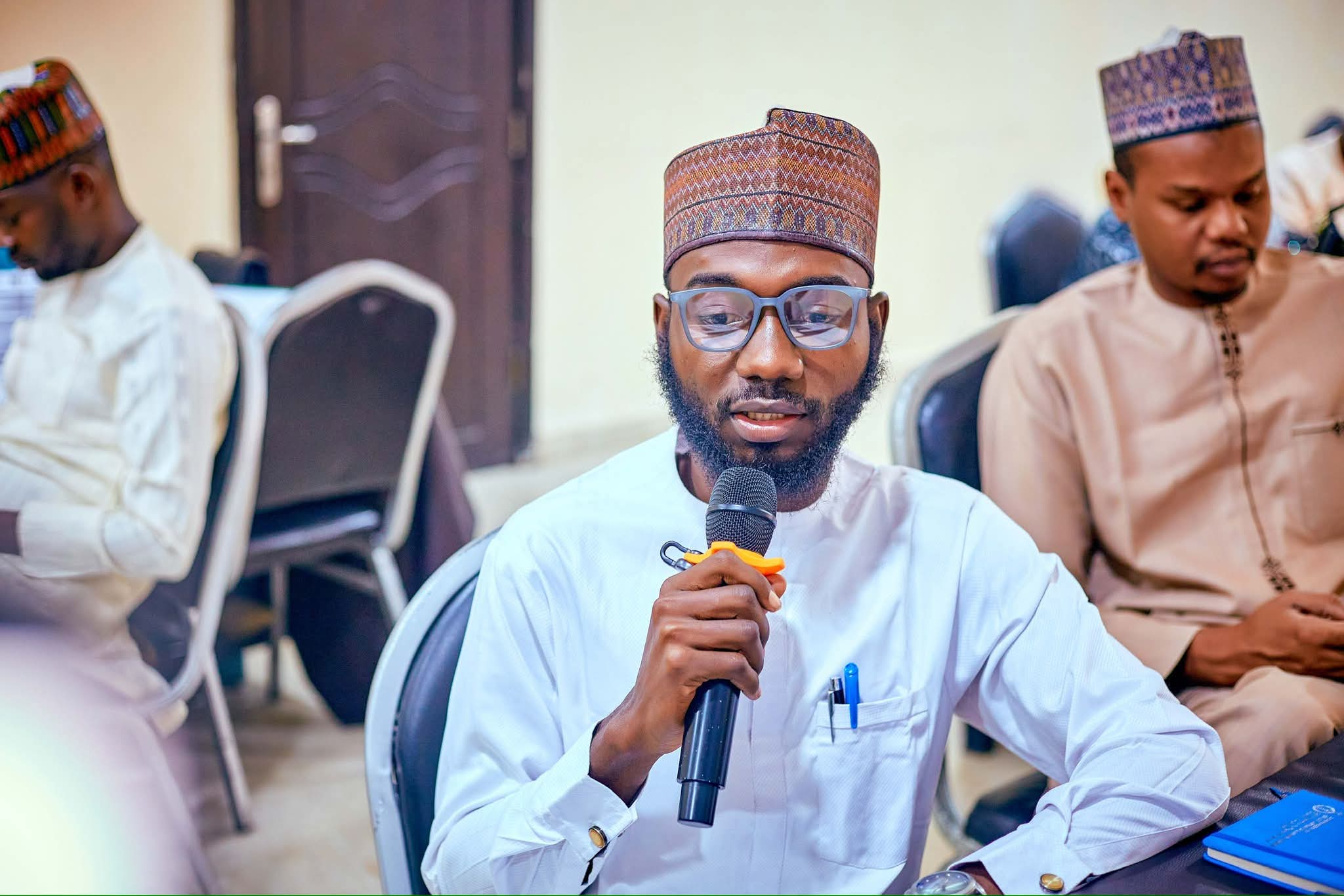
By Abubakar Surunbai Naziru
A single post can shape public opinion before the polls even open. In Nigeria, social media is now one of the primary ways young people, especially Gen Z, get political and election information. That’s a very good thing for democratic society and civic engagement. But it also opens doors for misinformation, disinformation, hate speech, and manipulated content to be spread just as fast, especially around elections.
I learned this clearly during the 3-day “Voices That Count: Gen Z Creatives for Electoral Integrity” Training Camp, organized by FIAP in collaboration with FactCheckAfrica under the EU Support to ECOWAS in Peace, Security and Governance (EPSG) Project. The training brought together Gen Z creatives and social media influencers from across northern Nigeria. The goal was simple: promote electoral integrity through responsible digital engagement.
Day one challenged how I think about the role of digital creators. We often don’t count ourselves as influencers, but I learned that as long as you have 2, 3, or 50 to 100 followers engaging on your content, you are an influencer, and you have the power to change how people perceive information, either positively or negatively. We talked about how misinformation and AI-generated content shape public opinion, and why information integrity matters for a peaceful vote. One point stuck with me: every post has consequences. As content creators and influencers, we don’t just consume information. We amplify it. Each and every one of us has a responsibility for the information we share and the kind of life we impact.
Day two moved from theory to practice. We learned how to turn verified information into content people actually want to engage with, using storytelling, audience targeting, and simple digital tools. Going through campaign exercises with other participants, it hit me that fighting misinformation isn’t just about correcting falsehoods. It’s about making credible information easy to understand and worth sharing.
Read Also: Beyond Scrolls: FIAP and FactCheckAfrica Train Northern Influencers on Electoral Misinformation
On the final day, we worked on campaign ideas for the #CheckBeforeYouPost initiative. Pitching ideas, getting feedback, and hearing from other participants showed how much collaboration matters when you’re trying to build something with real impact. Seeing young people from such different backgrounds all committed to strengthening democracy on their own platforms was genuinely inspiring.
Honestly, the people were one of the best parts. I met young leaders, creators, and changemakers I’d only known through a screen before. Those conversations and new friendships reminded me how much collaboration matters for change that actually lasts.
I left with more than a certificate. I left with practical skills in fact-checking, ethical storytelling, campaign design, and responsible content creation. And a stronger sense that what I post should add something good to society, not just fill a feed.Here’s the message I’m carrying home: before we post, pause, verify, and think about the impact our words can have on someone else.
Whether you’re a creator, an influencer, a journalist, or just someone scrolling through your feed, protecting the integrity of information is on all of us. The training lasted three days. Its lessons will shape how I create, share, and engage online for a long time after. My hope is that everyone who uses social media picks up the same habit: pause, verify, and #CheckBeforeYouPost