
By Obi Onyeigwe
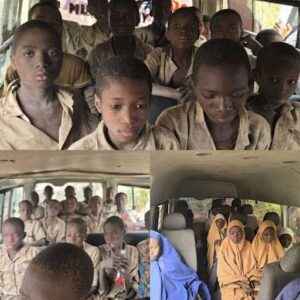
The kidnapping of schoolchildren and teachers in Nigeria is often discussed as a security challenge. Yet, beyond the headlines, ransom negotiations, and rescue operations lies a deeper crisis—one that directly threatens the rights, safety, and future of children.
Recent abductions affecting schools and communities across the country have once again exposed the dangers children face in an increasingly insecure environment. While public attention frequently focuses on the efforts to secure their release, far less attention is paid to the long-term impact these traumatic experiences have on the children themselves.
Every day a child spends in captivity is a day stolen from childhood.
Children who are abducted are removed from the safety of their homes, schools, and support systems. They are exposed to fear, uncertainty, intimidation, and conditions that no child should ever experience. Their education is interrupted, their emotional well-being is threatened, and their sense of safety is severely damaged.
For many victims, the trauma does not end when they return home.
Studies from conflict and humanitarian settings have consistently shown that children who experience abduction, detention, or prolonged exposure to violence often suffer lasting psychological effects. These may include anxiety, depression, nightmares, social withdrawal, fear of public spaces, difficulty concentrating in school, and a loss of trust in adults and institutions expected to protect them.
Particularly worrying is the heightened risk of sexual violence, exploitation, abuse, harassment, coercion, and other forms of maltreatment children may face while in captivity. Even when such abuses are not publicly reported, the conditions surrounding prolonged detention by armed groups create environments where children remain highly vulnerable.
The Often-Ignored Vulnerability of Boys
Conversations about sexual violence and exploitation frequently focus on girls, but boys also face serious risks during conflict and abduction situations.
Evidence from humanitarian crises and child protection programmes around the world shows that boys can be subjected to sexual abuse, exploitation, forced labour, humiliation, physical violence, and severe psychological harm.
The Global Alliance for the Protection of Boys from Sexual Violence (GAPB) has repeatedly stressed the need to recognise boys as children requiring protection and specialised support, particularly during emergencies, conflict, displacement, and other vulnerable situations.
Unfortunately, the silence surrounding violations against boys often leads to under-reporting, stigma, and limited access to support services.
The Ripple Effect on Communities
The consequences of school abductions extend far beyond the children directly affected.
Parents become fearful of sending their children to school. School attendance and enrolment decline. Teachers face growing risks. Communities lose confidence in public institutions. Education, which should be a pathway to opportunity and development, becomes associated with fear and uncertainty.
This impact is especially severe in a country already struggling with high numbers of out-of-school children, educational inequality, poverty, insecurity, and youth unemployment.
Children who miss weeks or months of learning while in captivity often find it difficult to reintegrate academically. Some never return to school. Others face stigma, social isolation, or emotional challenges that affect their ability to learn and thrive.
A Question of Accountability
These recurring incidents raise serious questions about accountability and the protection of children’s rights.
Nigeria’s Constitution, the Child Rights Act, the African Charter on the Rights and Welfare of the Child, and the United Nations Convention on the Rights of the Child all guarantee children protection from violence, exploitation, abuse, neglect, abduction, and other harmful treatment.
Yet the repeated targeting of schools and children suggests significant gaps in prevention, preparedness, protection systems, and accountability mechanisms.
Local governments have a responsibility to strengthen community-based child protection systems. State governments must ensure safe learning environments, support affected schools, and provide psychosocial services for victims and their families. The Federal Government must strengthen security responses, improve school safety initiatives, protect vulnerable communities, and uphold Nigeria’s national and international child protection commitments.
Protecting children cannot begin only after a kidnapping has occurred.
Prevention Must Become a Priority
Nigeria must move beyond reactive responses and place greater emphasis on prevention.
This requires investment in school safety measures, stronger early warning systems, community protection networks, mental health and psychosocial support services, educator training on child safeguarding, and comprehensive reintegration programmes for rescued children.
Children returning from captivity need far more than rescue operations. They need opportunities to heal. They require psychosocial support, educational reintegration, safe spaces, continued monitoring, and sustained protection.
Most importantly, they need a society that refuses to normalise attacks on children.
A society is ultimately judged by how it protects its most vulnerable members. When children are abducted from classrooms, held in forests, deprived of education, and exposed to violence and exploitation, the consequences extend far beyond the immediate incident.
The future of those children is affected. The future of their communities is affected. Ultimately, the future of the nation is affected.
Every child deserves safety. Every child deserves education. Every child deserves protection. Ensuring those rights are respected and protected should never be left to chance.
Editor’s Note: The views expressed in this article are those of the author and do not necessarily reflect the editorial position of Clockwise Reports.