
By Maryam Shuaibu
The Federal Government has adopted a domestic financing model for nutrition programmes as part of efforts to reduce dependence on donor support and strengthen long-term funding for interventions targeting malnutrition.
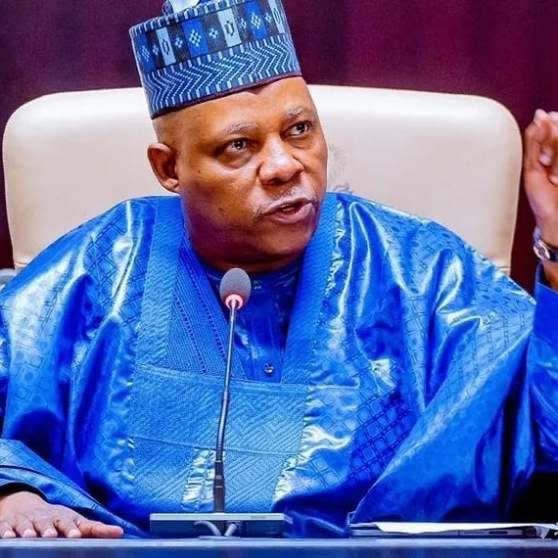
The decision was reached during the second high-level meeting of the Nutrition 774 Initiative Strategic Board chaired by Vice President Kashim Shettima at the Presidential Villa in Abuja.
As part of the new approach, the board directed the Federal Ministry of Finance and relevant stakeholders to activate existing funding mechanisms, including the Presidential Nutrition Intervention Fund and revenue generated from the Sugar-Sweetened Beverage levy.
Speaking at the meeting, Vice President Shettima said Nigeria could no longer rely heavily on external funding for critical nutrition programmes.
He stressed the need to immediately activate domestic financing structures to ensure nutrition interventions remain sustainable.
Nigeria continues to face one of the highest burdens of malnutrition globally, with millions of children affected by severe acute malnutrition, stunting and other nutrition-related conditions.
The vice president said the country faces an estimated N500 billion nutrition financing gap and called for stronger commitment from state and local governments.
He urged the remaining states yet to establish State Councils on Nutrition to do so while also encouraging local governments to set up food and nutrition committees.
The board also discussed plans for a National Nutrition Bill aimed at providing legal backing for nutrition programmes and improving accountability.
Officials believe the proposed legislation will strengthen nutrition governance and guarantee more predictable funding for interventions focused on women and children.